
Are you tired of the same old methods of finding truck drivers? We hear you! As a marketing agency specializing in the trucking industry, we know what it takes to attract the right drivers to your team. The best drivers are already employed and not actively searching for new jobs on traditional boards.
This guide cuts through the noise and gives you 7 practical ideas that actually work. We’ll focus on what matters: reaching good drivers, responding quickly, and keeping them once you hire them. No marketing buzzwords, just straightforward advice you can use today.

1) Reach Passive Drivers With Social Media Advertising
Traditional job boards often attract “active” seekers who may be out of work or frequently change employers. To find stable, high-quality talent, you must reach drivers where they spend their downtime. According to Statista, Facebook has over 3 billion monthly active users as of 2025 (279.8 million in the US alone).
Moreover, you will need to implement effective marketing tactics. If you’re not sure how to do it, you should find a good trucking marketing agency to help you promote your business online. By targeting potential drivers on platforms like Facebook and Instagram, you can reach a larger audience and find the perfect candidate. Just ensure your ads are categorized under the employment category to adhere to Facebook’s privacy policy and US employment laws.
2) Optimize for Mobile and Simplify the Application
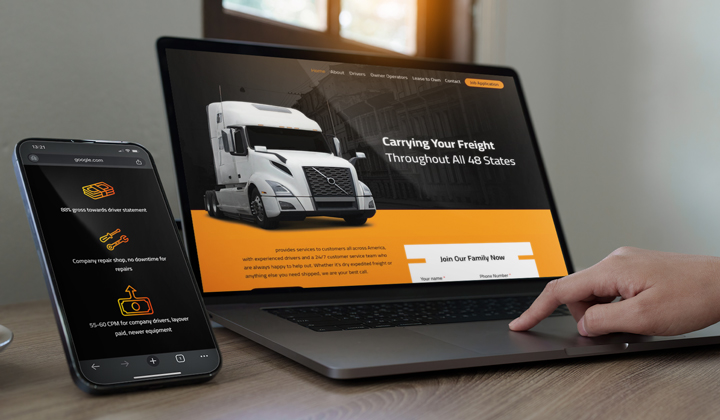
Research shows that 86.92% of drivers search for jobs from mobile devices. If your trucking company website has a long, clunky application, they will drop off before finishing.
The Solution: Centralized Applicant Tracking
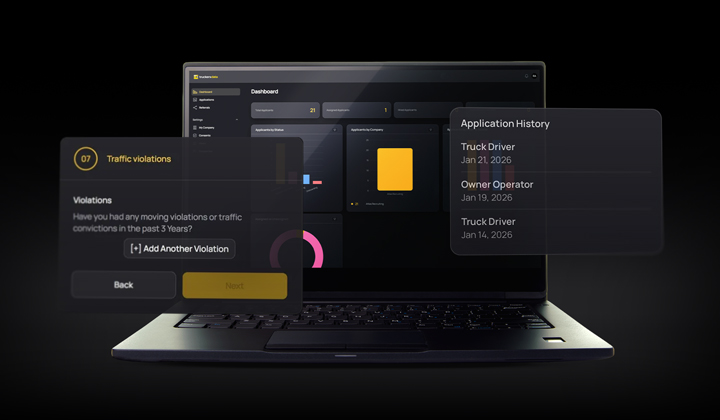
To manage leads effectively in 2026, you need a system like Truckers Data. Instead of scattered forms and email chaos, an ATS (Applicant Tracking System) allows you to move drivers through a four-stage process seamlessly:
- Stage 1 – Initial Contact: Keep your first form short. Just name and phone.
- Stage 2 – Digital Consents: Use Truckers Data to collect digital signatures and DOT-required consents immediately, saving progress so drivers can finish on their own time.
- Stage 3 – Human Recruiter Call: Your recruiter calls only the drivers who have already provided their basic docs and passed the initial screening.
- Stage 4 – Hire & Archive: Move the applicant to “hired” status and automatically store their DQ files in a single secure, audit-ready location.
3) Understand Your Cost per Hire Across All Driver Types
Lead costs vary significantly based on the type of driver you’re trying to hire. In 2026, here is what you can expect for lead costs:
| Driver Type | Estimated Lead Cost |
| Company Drivers (Dry Van/Reefer) | $6.00 – $10.00 |
| Lease-to-Own Candidates | $10.00 – $15.00 |
| Owner Operators | $13.00 – $25.00 |
| Flatbed Company Drivers | $15.00 – $25.00 |
| Established Teams | $20.00 – $35.00 |
The real metric that matters isn’t cost per lead; it’s cost per hire. A cheaper lead that doesn’t work out costs you more in the long run than a higher-quality lead that results in a driver who stays.
4) Use AI to Respond to Every Lead Instantly 24/7
Speed is the ultimate deal-breaker in driver recruitment. Data across the industry consistently shows that response time is the primary factor in whether a lead converts or disappears.
The “Golden 5 Minutes”
A landmark study by MIT found that if you contact a lead within the first five minutes, you are five times more likely to make a connection than if you wait just 10 minutes. Beyond that five-minute window, your chances of a successful conversion drop by a staggering 80%.
The problem is that human recruiters work 9-to-5, but drivers don’t. A high-quality driver might see your ad and apply at 2 AM or on a Sunday afternoon. If no one responds immediately, they move on to the next fleet.
How AI & Systems Work Together
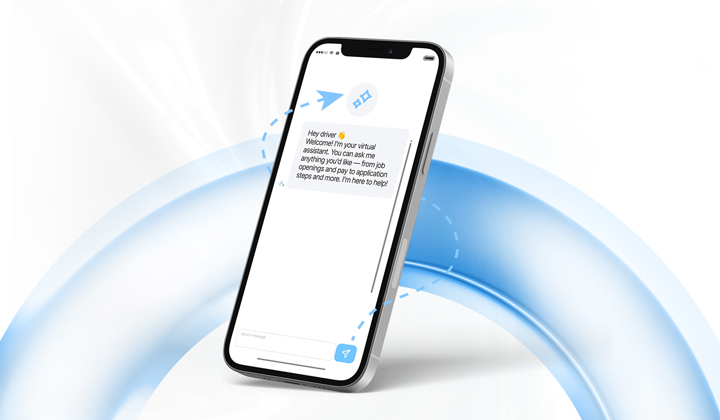
AI tools like HireDrivers.ai solve this by responding via SMS within seconds, 24/7. The AI asks the “deal-breaker” questions (experience, SAP status, violations) and then pushes that qualified data directly into Truckers Data. This ensures your recruiters aren’t digging through inboxes or spreadsheets; they simply log into one clean system and see a pipeline of ready-to-talk drivers.
5) Build Trust With Authentic Driver-First Content
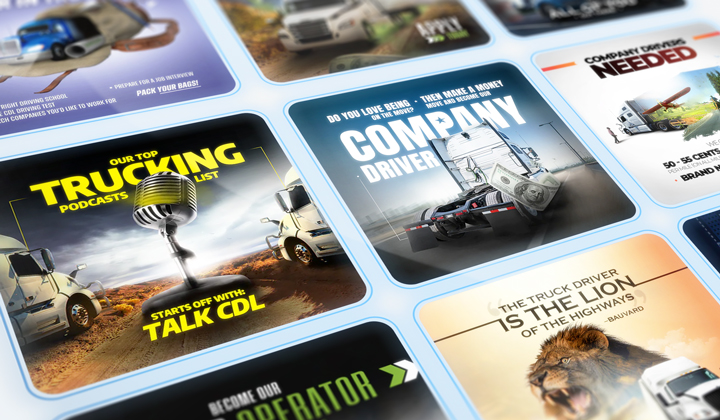
Drivers are skeptical of polished, corporate-looking ads. They know trucking is a tough job, and they respond better to content that feels real and honest. The most effective content looks like it was filmed on a phone by a driver:
The Best Ads Look Like They Were Made by a Driver
The most effective ads look like they were filmed on a phone by someone in the industry, not produced by a professional team. Here’s what works:
Equipment Tours: A 60-second video of a driver showing the inside of their truck: the APU, the fridge, the inverter, and the sleeping area. Drivers want to know what they’ll be working with.
Real Testimonials: Drivers talking honestly about their experience with your company. What’s the dispatcher like? Do you actually get home when promised? How’s the equipment? These honest conversations build trust.
Pay Transparency: Show actual pay stubs. Drivers want to see what they can really earn, including all bonuses and extra pay. Transparency builds credibility.
Why Authenticity Matters
Drivers can easily find information about your company online. They read reviews, talk to other drivers, and check social media. If your ads look too polished or make promises that don’t match reality, they’ll call you out in the comments. Drivers trust what other drivers say. If your ads are honest and real, drivers will trust them.
6) Tailor Your Messaging to Specific Driver Categories
Different drivers have different priorities. Your messaging should speak directly about what matters to each group.
Flatbed Company Drivers
Flatbed drivers take pride in their work. They’re skilled at tarping, securing loads, and handling complex freight. When recruiting them, emphasize:
Quality Equipment: Show off your trailers, tarps, and gear. Flatbed drivers care about having good equipment to work with.
Fair Pay for the Work: Mention any special pay for tarping or extra stops. Flatbed work is physically demanding, and drivers expect to be compensated for it.
Good Freight Networks: Flatbed drivers hate deadheading (driving empty). Show that you have a strong freight network that keeps them moving and earning.
Established Teams
When you hire a team, you’re hiring two people at once. This requires a different approach:
Modern Equipment: Teams want newer trucks with comfortable sleeping areas. If your equipment is old, teams won’t be interested.
High-Mileage Freight: Show that you have routes that keep the truck moving. Teams want to maximize their earning potential.
Efficient Communication: Use AI to answer common questions for both drivers simultaneously. Teams appreciate quick, clear communication.
Owner Operators
Owner-operators aren’t employees, they’re business partners. Your messaging should reflect that:
Real Earnings Numbers: Show what an owner-operator actually takes home after fuel, maintenance, insurance, and other expenses. Owners want to see the real profit, not gross revenue.
Fuel Discount Programs: In a high-fuel-cost environment, access to fuel discounts is a major selling point. Show how much they can save.
Freedom and Flexibility: Emphasize their ability to choose loads and set their own schedules. Owner-operators value independence.
Owner-operators are valuable partners. The investment in recruiting them pays off because a single good owner-operator can generate hundreds of thousands in revenue without the overhead of truck ownership.

7) Empower Your Recruiters to Act as Career Consultants
Technology handles the initial work, but people still matter. Your recruiters should think of themselves as career consultants, not just order-takers.
When a recruiter talks to a driver who’s been pre-qualified by AI, the conversation should start with understanding, not selling. Instead of “When can you start?”, ask “What’s missing in your current situation that brought you to us?” Understand the driver’s goals, concerns, and what they’re looking for. This approach builds relationships, not just fills seats.
Ready to Put These Ideas Into Action?
Success in 2026 isn’t about working harder at old methods; it’s about working smarter with new ones. If you feel like you are drowning in the constant changes of the trucking industry, an experienced social media agency for trucking can swoop in and save the day.
The ideas in this guide work; they’re being used by successful trucking companies right now to find better drivers, faster. The only question is: will you implement them?